Set 1. Direct equivalents
Many Spanish words have an English equivalent with exactly the same spelling. Nevertheless, these words follow Spanish pronunciation rules.
Nouns
| English | Spanish |
|---|---|
| actor | actor |
| animal | animal |
| base | base |
| capital | capital |
| club | club |
| color | color |
| control | control |
| crisis | crisis |
| director | director |
| doctor | doctor |
| factor | factor |
| final | final |
| hospital | hospital |
| idea | idea |
| interior | interior |
| material | material |
| plan | plan |
| plaza | plaza |
| : public square | |
| sector | sector |
| vista | vista |
| : view; scenery | |
Adjectives
| English | Spanish |
|---|---|
| central | central |
| cultural | cultural |
| fundamental | fundamental |
| general | general |
| local | local |
| natural | natural |
| personal | personal |
| popular | popular |
| principal | principal |
| real | real |
| social | social |
| superior | superior |
Set 2. Final -o
Nouns ending in -o are usually of masculine gender.
Nouns
In these examples, -o is added to an English cognate to form a Spanish noun.
| English | Spanish |
|---|---|
| act | acto |
| adult | adulto |
| aspect | aspecto |
| concept | concepto |
| conflict | conflicto |
| contact | contacto |
| context | contexto |
| cost | costo |
| disc | disco |
| document | documento |
| element | elemento |
| event | evento |
| expert | experto |
| impact | impacto |
| increment | incremento |
| instrument | instrumento |
| intent | intento |
| model | modelo |
| moment | momento |
| organism | organismo |
| product | producto |
| rest | resto |
| sex | sexo |
| text | texto |
More nouns
A silent -e in the English cognate may also be replaced with -o to form a Spanish noun.
| English | Spanish |
|---|---|
| candidate | candidato |
| case | caso |
| compromise | compromiso |
| future | futuro |
| grade | grado |
| institute | instituto |
| minute | minuto |
| mode | modo |
| motive | motivo |
| plate | plato |
| : A dish or plate of food | |
| tone | tono |
| universe | universo |
| use | uso |
| vote | voto |
Adjectives
In these examples, -o is added to an English cognate to form a Spanish adjective.
| English | Spanish |
|---|---|
| Colombian | colombiano |
| ⓘ Adjectives derived from proper nouns are capitalized in English, but this is not the case in Spanish. | |
| Cuban | cubano |
| direct | directo |
| human | humano |
| Latin | latino |
| Mexican | mexicano |
| modern | moderno |
| perfect | perfecto |
| tranquil | tranquilo |
| urban | urbano |
Adjectives ending in -o should be inflected to agree with the noun they modify: -o for masculine singular, -os for masculine plural, -a for feminine singular, -as for feminine plural.
More adjectives
A silent -e in the English cognate may also be replaced with -o to form a Spanish adjective.
| English | Spanish |
|---|---|
| absolute | absoluto |
| active | activo |
| Argentine | argentino |
| complete | completo |
| concrete | concreto |
| definitive | definitivo |
| diverse | diverso |
| false | falso |
| intense | intenso |
| negative | negativo |
| positive | positivo |
| precise | preciso |
| productive | productivo |
| pure | puro |
| rare | raro |
Set 3. Final -a
Nouns ending in -a are usually feminine; some exceptions are noted below.
Nouns
| English | Spanish |
|---|---|
| alert | alerta |
| artist | artista |
| ⓘ This noun is masculine or feminine according to the gender of the person it refers to. | |
| band | banda |
| bomb | bomba |
| column | columna |
| conduct | conducta |
| demand | demanda |
| diet | dieta |
| firm | firma |
| form | forma |
| idiom | idioma |
| ⓘ Masculine despite ending in -a. | |
| map | mapa |
| ⓘ Masculine despite ending in -a. | |
| march | marcha |
| norm | norma |
| novel | novela |
| palm | palma |
| person | persona |
| pistol | pistola |
| planet | planeta |
| ⓘ Masculine despite ending in -a. | |
| plant | planta |
| poem | poema |
| ⓘ Masculine despite ending in -a. | |
| poet | poeta |
| ⓘ This noun is masculine or feminine according to the gender of the person it refers to. | |
| problem | problema |
| ⓘ Masculine despite ending in -a. | |
| program | programa |
| ⓘ Masculine despite ending in -a. | |
| protagonist | protagonista |
| ⓘ This noun is masculine or feminine according to the gender of the person it refers to. | |
| protest | protesta |
| reform | reforma |
| rent | renta |
| sum | suma |
| torment | tormenta |
| visit | visita |
| vitamin | vitamina |
More nouns
A silent -e in the English cognate may also be replaced with -a to form a Spanish noun.
| English | Spanish |
|---|---|
| agriculture | agricultura |
| alternative | alternativa |
| aperture | apertura |
| candidature | candidatura |
| cape | capa |
| cause | causa |
| culture | cultura |
| cure | cura |
| dame | dama |
| defense | defensa |
| discipline | disciplina |
| fame | fama |
| fibre | fibra |
| figure | figura |
| fortune | fortuna |
| initiative | iniciativa |
| isle | isla |
| lecture | lectura |
| literature | literatura |
| medicine | medicina |
| mine | mina |
| note | nota |
| pause | pausa |
| posture | postura |
| reserve | reserva |
| table | tabla |
| temperature | temperatura |
| verdure | verdura |
| zone | zona |
Set 4. Verb endings -ar, -er, -ir
The endings of regular Spanish verbs in dictionary (infinitive) form are -ar, -er, and -ir.
Verbs ending in -ar
| English | Spanish |
|---|---|
| analyze | analizar |
| base | basar |
| : to base (something) on | |
| cause | causar |
| cite | citar |
| combine | combinar |
| compare | comparar |
| complete | completar |
| conserve | conservar |
| continue | continuar |
| converse | conversar |
| declare | declarar |
| derive | derivar |
| determine | determinar |
| escape | escapar |
| finalize | finalizar |
| ignore | ignorar |
| imagine | imaginar |
| invite | invitar |
| note | notar |
| : to notice | |
| oblige | obligar |
| : to compel | |
| observe | observar |
| organize | organizar |
| practice | practicar |
| prepare | preparar |
| respire | respirar |
| revise | revisar |
| use | usar |
| utilize | utilizar |
| vote | votar |
Verbs ending in -er
| English | Spanish |
|---|---|
| accede | acceder |
| cede | ceder |
| concede | conceder |
| devolve | devolver |
| move | mover |
| resolve | resolver |
Verbs ending in -ir
| English | Spanish |
|---|---|
| coincide | coincidir |
| compete | competir |
| conduce | conducir |
| consume | consumir |
| debate | debatir |
| decide | decidir |
| define | definir |
| describe | describir |
| divide | dividir |
| impede | impedir |
| inscribe | inscribir |
| intervene | intervenir |
| introduce | introducir |
| invade | invadir |
| preside | presidir |
| produce | producir |
| reduce | reducir |
| reproduce | reproducir |
| reside | residir |
| resume | resumir |
| serve | servir |
| surge | surgir |
Set 5. -ate -> -ar
If an English verb ends in -ate, this may be replaced with -ar for the Spanish verb dictionary form.
Verbs
| English | Spanish |
|---|---|
| create | crear |
| explicate | explicar |
| : to explain | |
| terminate | terminar |
| generate | generar |
| indicate | indicar |
| participate | participar |
| initiate | iniciar |
| dedicate | dedicar |
| celebrate | celebrar |
| recuperate | recuperar |
| implicate | implicar |
| integrate | integrar |
| incorporate | incorporar |
| separate | separar |
| contemplate | contemplar |
| situate | situar |
| facilitate | facilitar |
| elaborate | elaborar |
| eliminate | eliminar |
| investigate | investigar |
| evaluate | evaluar |
| estimate | estimar |
| operate | operar |
| saltate | saltar |
| : to jump or leap | |
| concentrate | concentrar |
| gyrate | girar |
| : to turn or rotate | |
| denominate | denominar |
| elevate | elevar |
| dominate | dominar |
| calculate | calcular |
| liberate | liberar |
| animate | animar |
| orientate | orientar |
| regulate | regular |
Set 6. "y" -> "i"
A "y" in an English cognate may correspond to an "i" in Spanish. These examples also use rules we've learned in Set 2 and Set 3, appending a final "-o" or "-a".
Nouns
| English | Spanish |
|---|---|
| crystal | cristal |
| cycle | ciclo |
| syndicate | sindicato |
| system | sistema |
| type | tipo |
Set 7. -io or -ia
A final -y in an English cognate may correspond to an "-io" or "-ia" in Spanish.
Nouns ending in -io
| English | Spanish |
|---|---|
| diary | diario |
| laboratory | laboratorio |
| matrimony | matrimonio |
| patrimony | patrimonio |
| salary | salario |
| secretary | secretario |
| territory | territorio |
| testimony | testimonio |
Nouns ending in -ia
| English | Spanish |
|---|---|
| academy | academia |
| agency | agencia |
| ceremony | ceremonia |
| democracy | democracia |
| dependency | dependencia |
| emergency | emergencia |
| family | familia |
| history | historia |
| industry | industria |
| infancy | infancia |
| memory | memoria |
| presidency | presidencia |
| residency | residencia |
| tendency | tendencia |
| transparency | transparencia |
| urgency | urgencia |
| victory | victoria |
Adjectives
| English | Spanish |
|---|---|
| contrary | contrario |
| extraordinary | extraordinario |
| literary | literario |
| primary | primario |
| sanitary | sanitario |
Set 8. Final -ión
In the ending -ión, both vowels are pronounced, but an accent is placed on the ó to indicate the stress.
Nouns
| English | Spanish |
|---|---|
| conclusion | conclusión |
| decision | decisión |
| dimension | dimensión |
| division | división |
| expansion | expansión |
| explosion | explosión |
| extension | extensión |
| inversion | inversión |
| opinion | opinión |
| pension | pensión |
| precision | precisión |
| region | región |
| religion | religión |
| reunion | reunión |
| revision | revisión |
| television | televisión |
| tension | tensión |
| union | unión |
| version | versión |
| vision | visión |
More nouns
For an English noun ending in -tion, the Spanish ending is -ción.
| English | Spanish |
|---|---|
| action | acción |
| administration | administración |
| condition | condición |
| constitution | constitución |
| construction | construcción |
| conversation | conversación |
| creation | creación |
| declaration | declaración |
| direction | dirección |
| edition | edición |
| education | educación |
| election | elección |
| exposition | exposición |
| formation | formación |
| generation | generación |
| habitation | habitación |
| information | información |
| institution | institución |
| intention | intención |
| intervention | intervención |
| investigation | investigación |
| nation | nación |
| operation | operación |
| option | opción |
| organization | organización |
| participation | participación |
| position | posición |
| presentation | presentación |
| production | producción |
| protection | protección |
| relation | relación |
| revolution | revolución |
| selection | selección |
| sensation | sensación |
| situation | situación |
| solution | solución |
Set 9. Final -cio and -cia
The soft "c" in an English -ce ending is preserved by a -cio or -cia ending in Spanish.
Nouns: -cio ending
| English | Spanish |
|---|---|
| palace | palacio |
| service | servicio |
| silence | silencio |
Nouns: -cia ending
| English | Spanish |
|---|---|
| audience | audiencia |
| competence | competencia |
| conference | conferencia |
| dependence | dependencia |
| distance | distancia |
| evidence | evidencia |
| existence | existencia |
| experience | experiencia |
| grace | gracia |
| importance | importancia |
| incidence | incidencia |
| independence | independencia |
| influence | influencia |
| instance | instancia |
| justice | justicia |
| presence | presencia |
| province | provincia |
| reference | referencia |
| residence | residencia |
| sentence | sentencia |
| transference | transferencia |
| vigilance | vigilancia |
| violence | violencia |
Set 10. -ity -> -idad
Many English -ity endings correspond to the Spanish -idad.
Nouns
| English | Spanish |
|---|---|
| activity | actividad |
| biodiversity | biodiversidad |
| capacity | capacidad |
| clarity | claridad |
| continuity | continuidad |
| creativity | creatividad |
| curiosity | curiosidad |
| debility | debilidad |
| dignity | dignidad |
| diversity | diversidad |
| electricity | electricidad |
| entity | entidad |
| felicity | felicidad |
| finality | finalidad |
| humanity | humanidad |
| identity | identidad |
| intensity | intensidad |
| locality | localidad |
| modality | modalidad |
| mortality | mortalidad |
| nationality | nacionalidad |
| obesity | obesidad |
| personality | personalidad |
| priority | prioridad |
| probability | probabilidad |
| productivity | productividad |
| profundity | profundidad |
| publicity | publicidad |
| : advertising | |
| reality | realidad |
| solidarity | solidaridad |
| totality | totalidad |
| tranquility | tranquilidad |
| unity | unidad |
| university | universidad |
| utility | utilidad |
| velocity | velocidad |
Set 11. Initial es-
Spanish words usually do not begin with the consonant pairs sc-, sp-, or st-, so an e- may be added before these forms.
Nouns
| English | Spanish |
|---|---|
| scale | escala |
| scandal | escándalo |
| scenario | escenario |
| scene | escena |
| space | espacio |
| specialist | especialista |
| speciality | especialidad |
| spectre | espectro |
| sphere | esfera |
| stability | estabilidad |
| state | estado |
| station | estación |
| statue | estatua |
| status | estatus |
| statute | estatuto |
| strategy | estrategia |
| stress | estrés |
| structure | estructura |
| studio | estudio |
| style | estilo |
Set 12. -ly -> -mente
A Spanish adverb may be formed by attaching -mente to the feminine singular form of an adjective. This is similar to the English suffix -ly.
Adverbs
| English | Spanish |
|---|---|
| casually | casualmente |
| culturally | culturalmente |
| emotionally | emocionalmente |
| essentially | esencialmente |
| finally | finalmente |
| formally | formalmente |
| fundamentally | fundamentalmente |
| generally | generalmente |
| gradually | gradualmente |
| gravely | gravemente |
| habitually | habitualmente |
| illegally | ilegalmente |
| individually | individualmente |
| initially | inicialmente |
| internationally | internacionalmente |
| legally | legalmente |
| literally | literalmente |
| mentally | mentalmente |
| naturally | naturalmente |
| normally | normalmente |
| originally | originalmente |
| partially | parcialmente |
| particularly | particularmente |
| personally | personalmente |
| potentially | potencialmente |
| principally | principalmente |
| radically | radicalmente |
| really | realmente |
| regularly | regularmente |
| socially | socialmente |
| specially | especialmente |
| temporally | temporalmente |
| totally | totalmente |
| traditionally | tradicionalmente |
| usually | usualmente |
There are many more rules and partial rules, such as t -> d, th -> t, ph -> f, and ch -> c or qu. The Doknya team is continually researching new mnemonic theories and ways of organizing information for easier study.
To accelerate your Spanish studies, or to learn many other languages such as French, Latin, or Chinese, we encourage you to try our app.
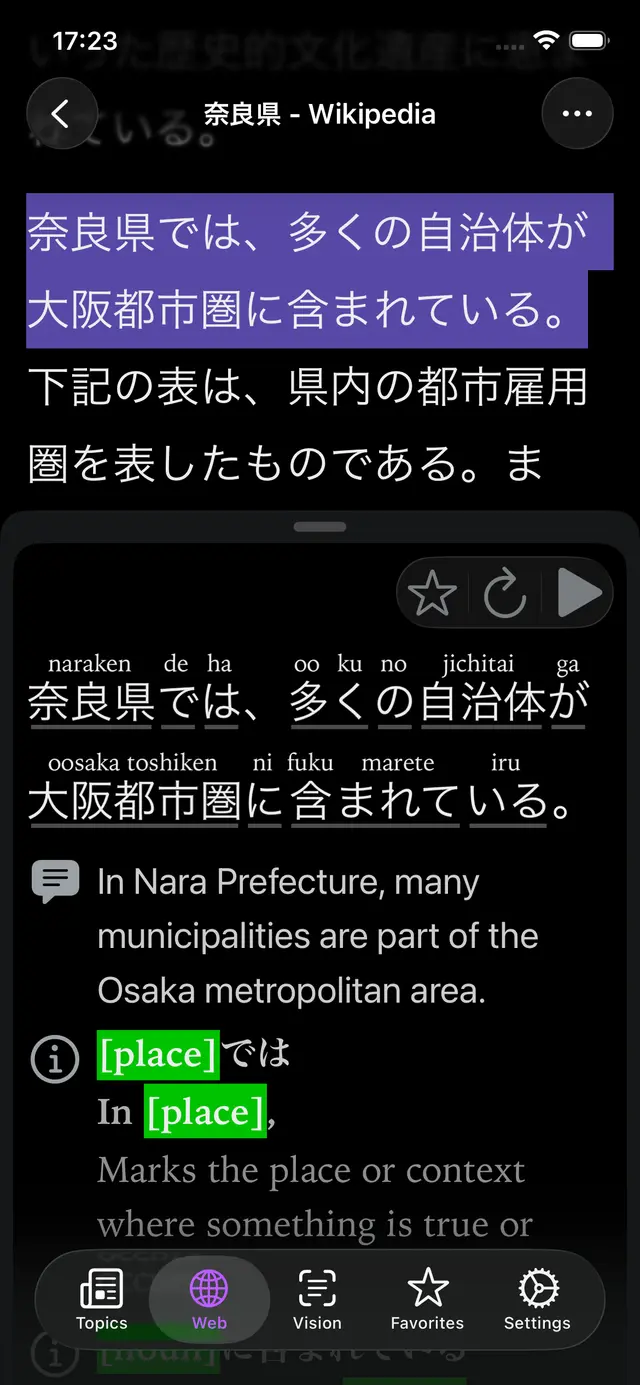
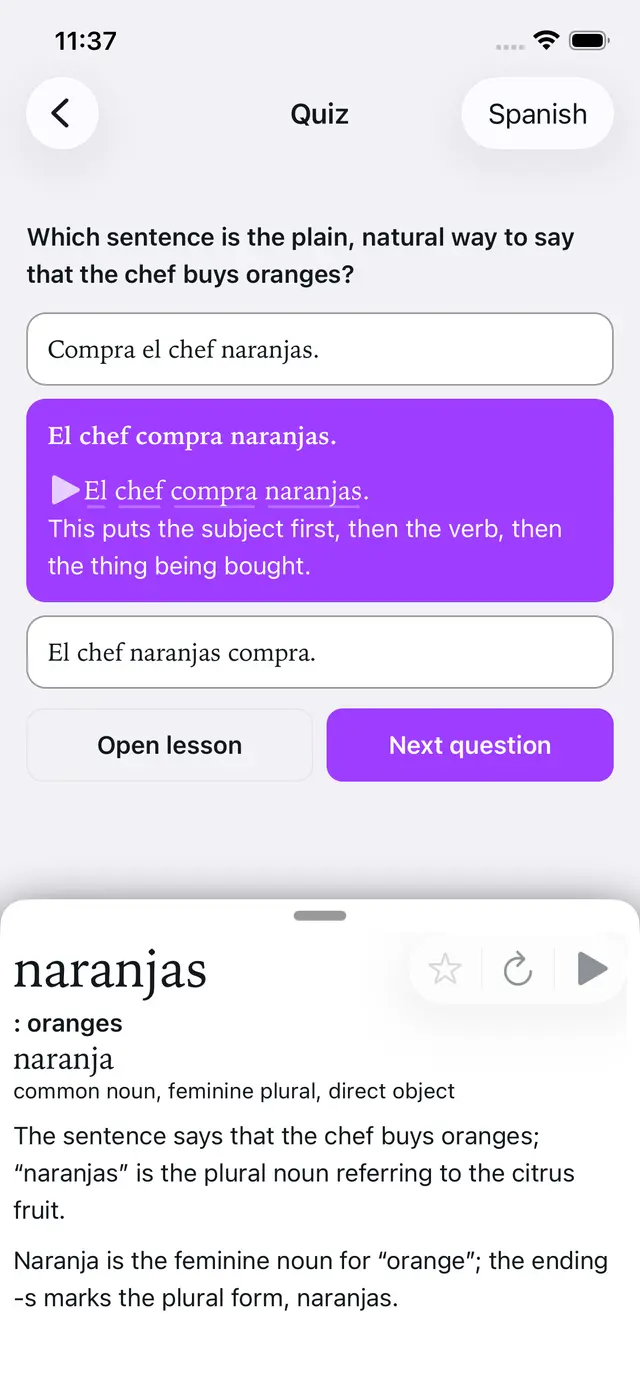
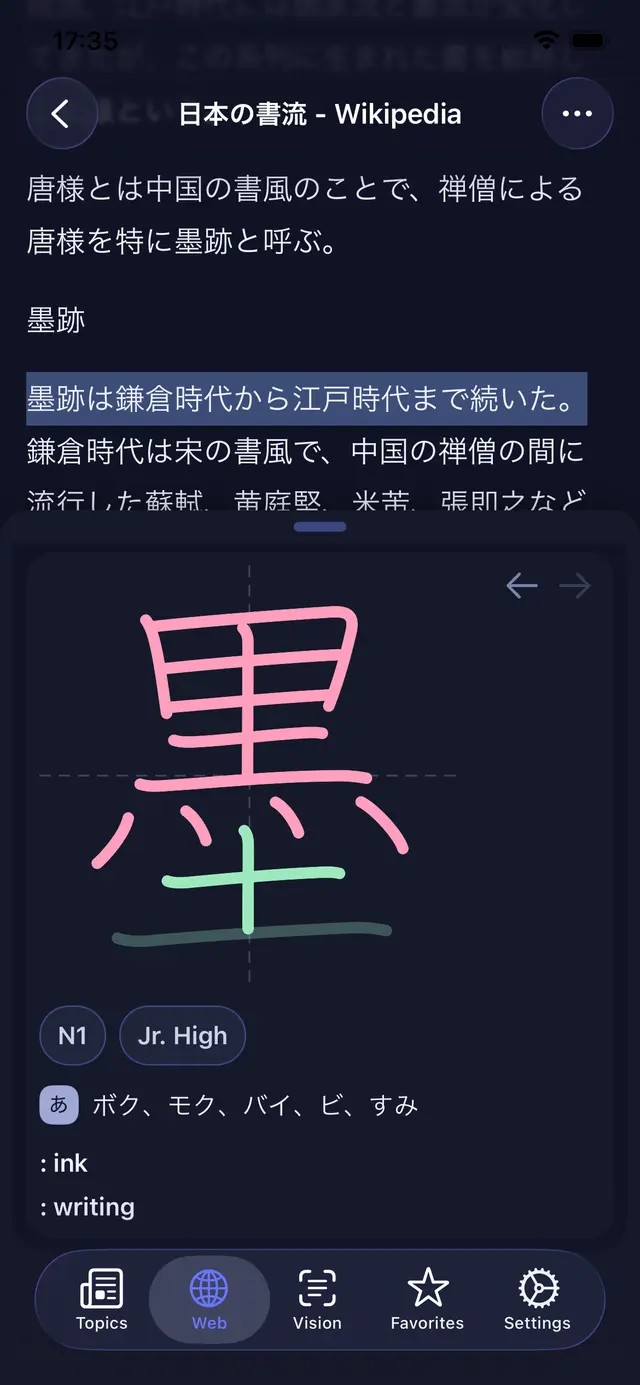
Doknya annotates any Spanish content on the web with just the information you need to read fluently, maximizing your reps for efficient language learning. If you don't know what to read, Doknya provides links to Spanish content that's interesting to you.