JLPT kanji
Kanji by approximate level for the Japanese Language Proficiency Test, from N5 (easiest) to N1 (hardest).
Official updates to these sets were discontinued in 2010. Doknya expert kanji specifically maps frequently-used kanji that are missing from the JLPT kanji sets.
Dictionary, classification, ordering, and stroke-order data are derived from these sources: KANJIDIC2 (CC BY-SA 4.0); Unicode Unihan (Unicode License); KanjiVG (CC BY-SA 3.0); JLPT Resources (CC BY); Kanji Usage Frequency (CC BY 4.0).
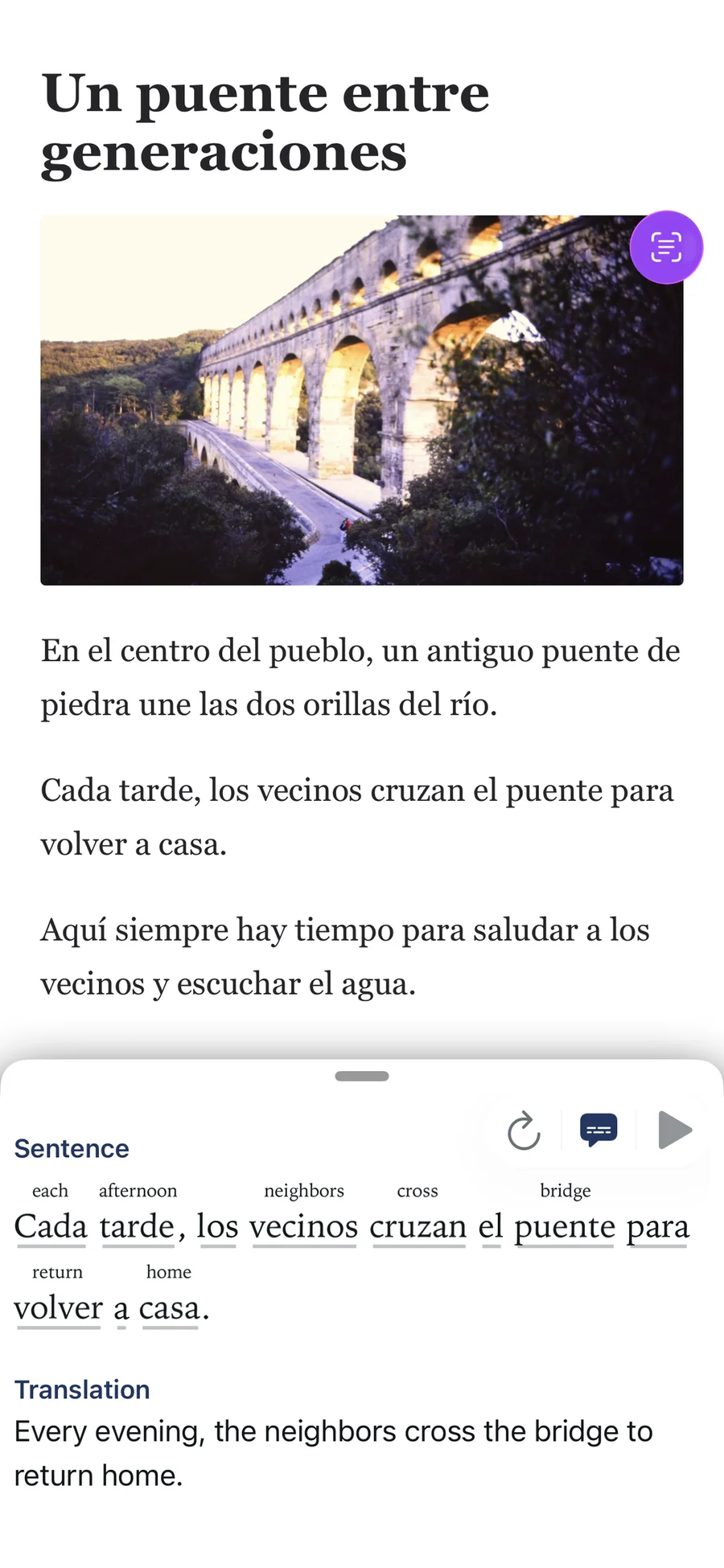
Discover articles on topics you love, or explore the web in Doknya’s built-in browser. Get word meanings, grammar help, and translations as you read.
Learn from content that interests you
Learn languages by reading
Discover articles on topics you choose, or open any web page. Read with word meanings and sentence translations alongside the original text.
Understand what you read
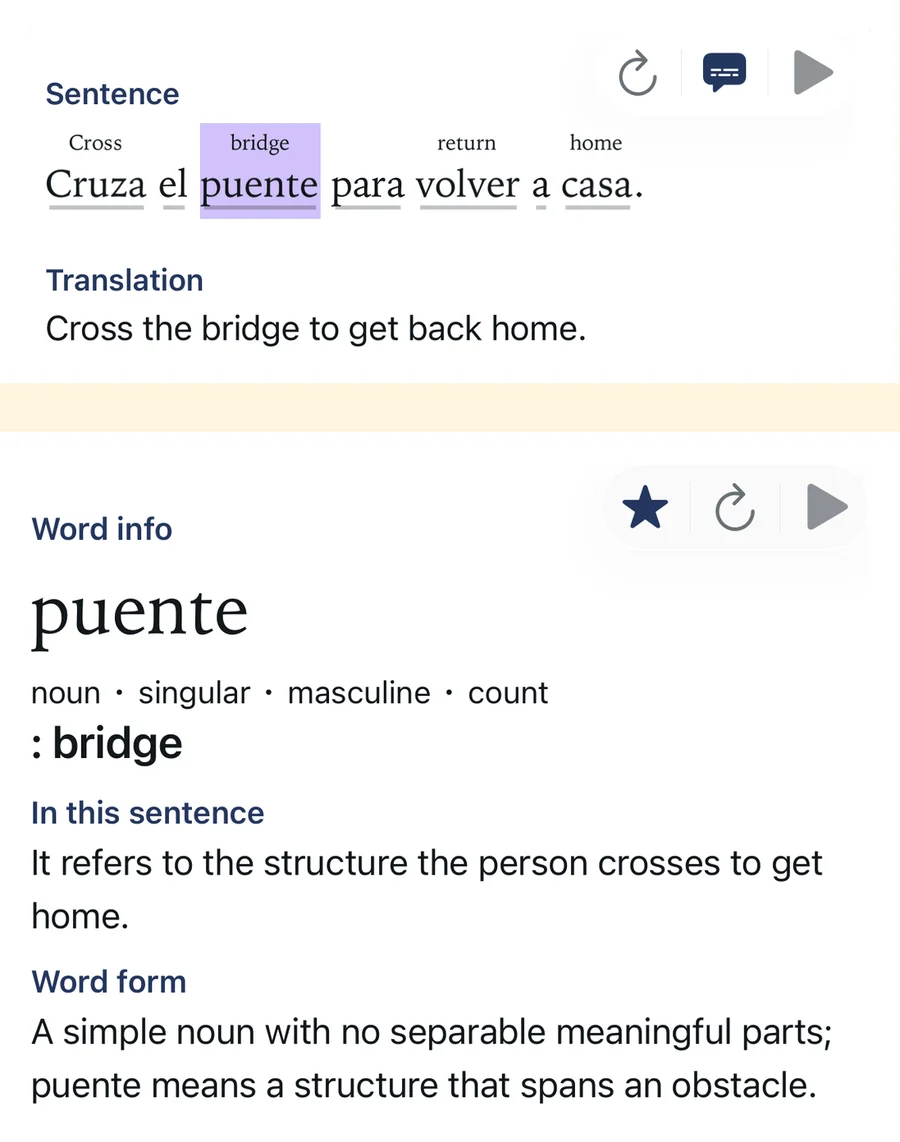
See what words mean in context and get grammar explanations without leaving your reading.
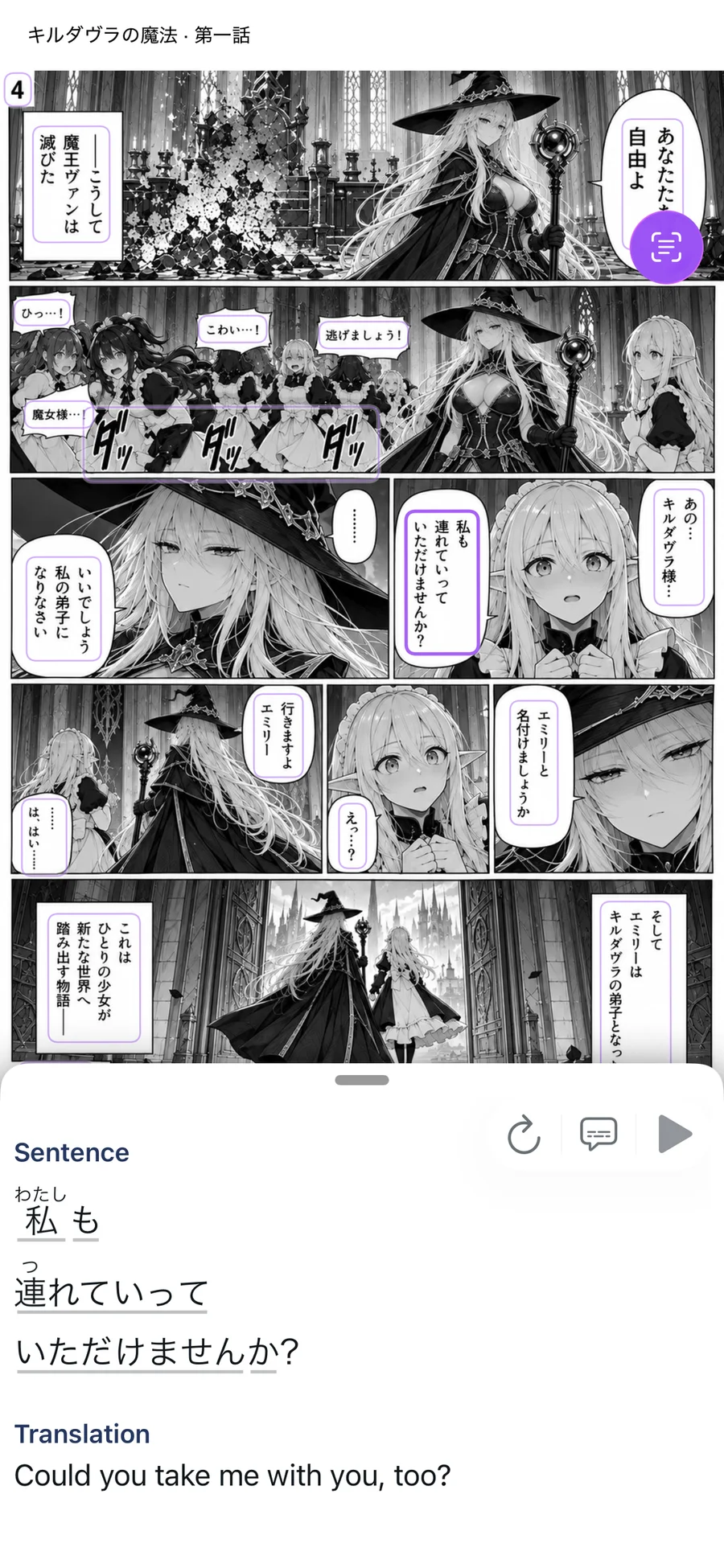
Read manga online
Get reading help and translations for dialogue in online manga and comics.
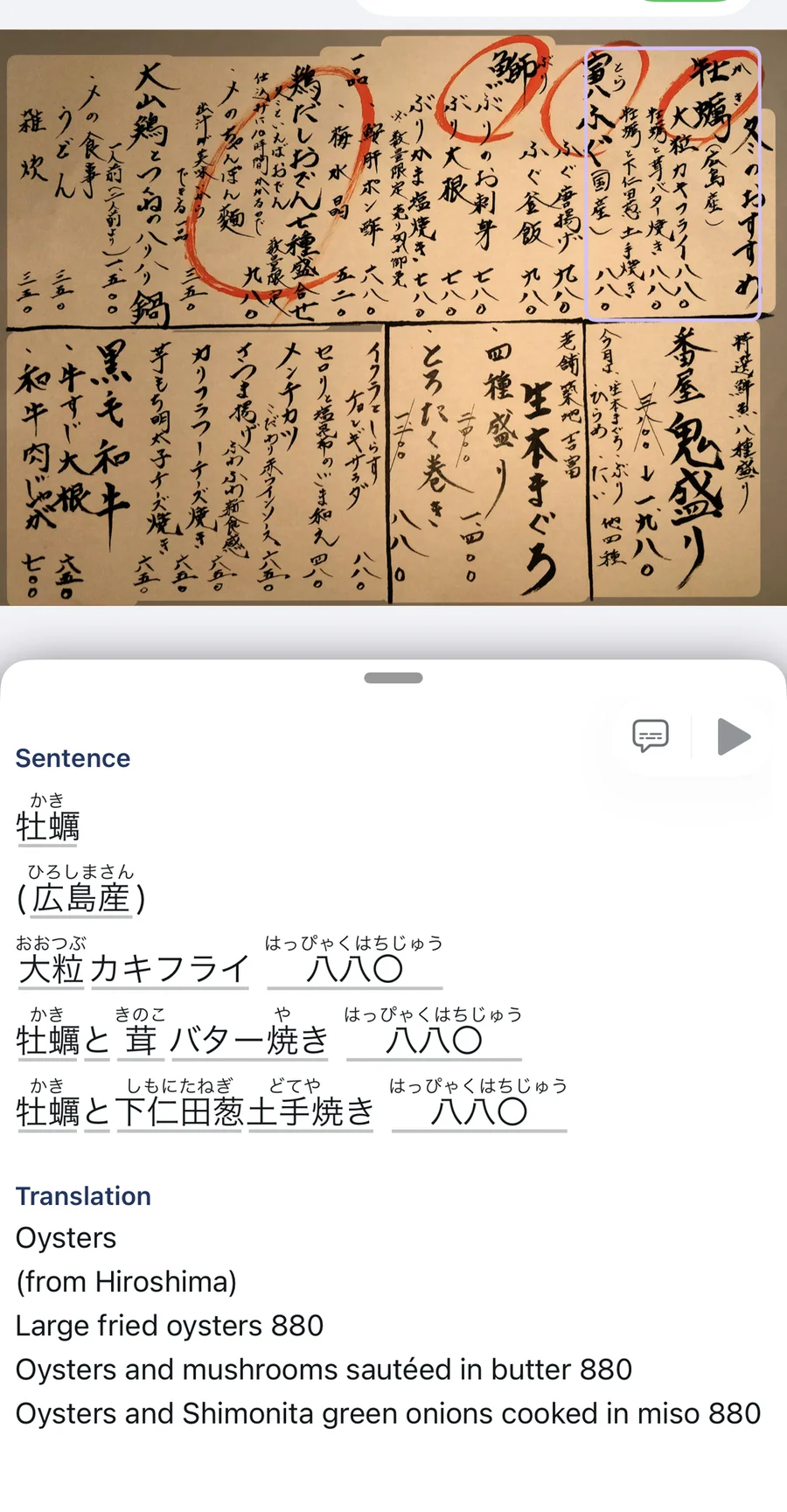
Translate text in photos
Read menus, signs and other text in photos or camera captures with pronunciation guides and translations.
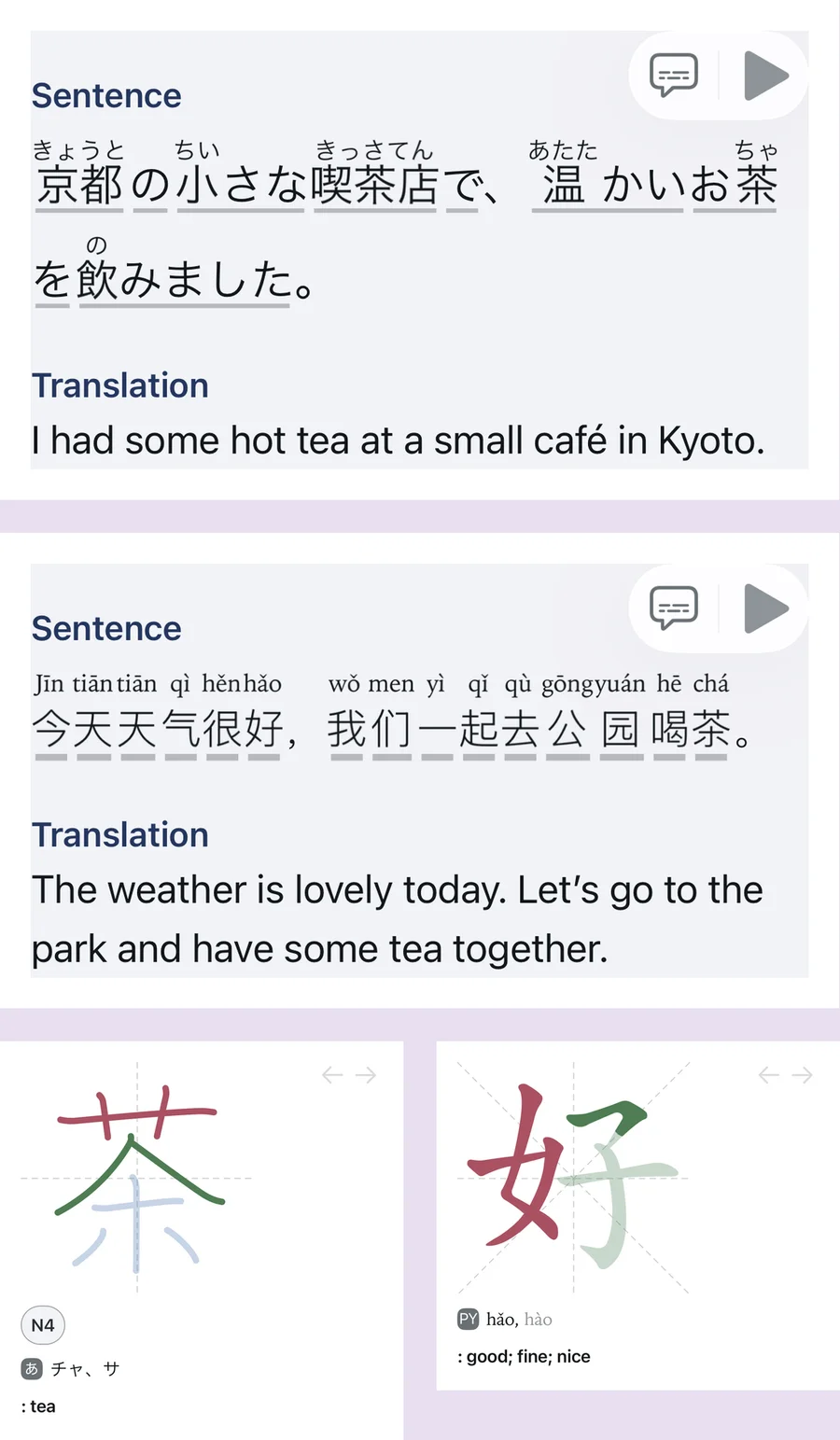
Reading tools for each language
Read Japanese with furigana and Chinese with pinyin. Look up character meanings and readings, and watch animated stroke order.
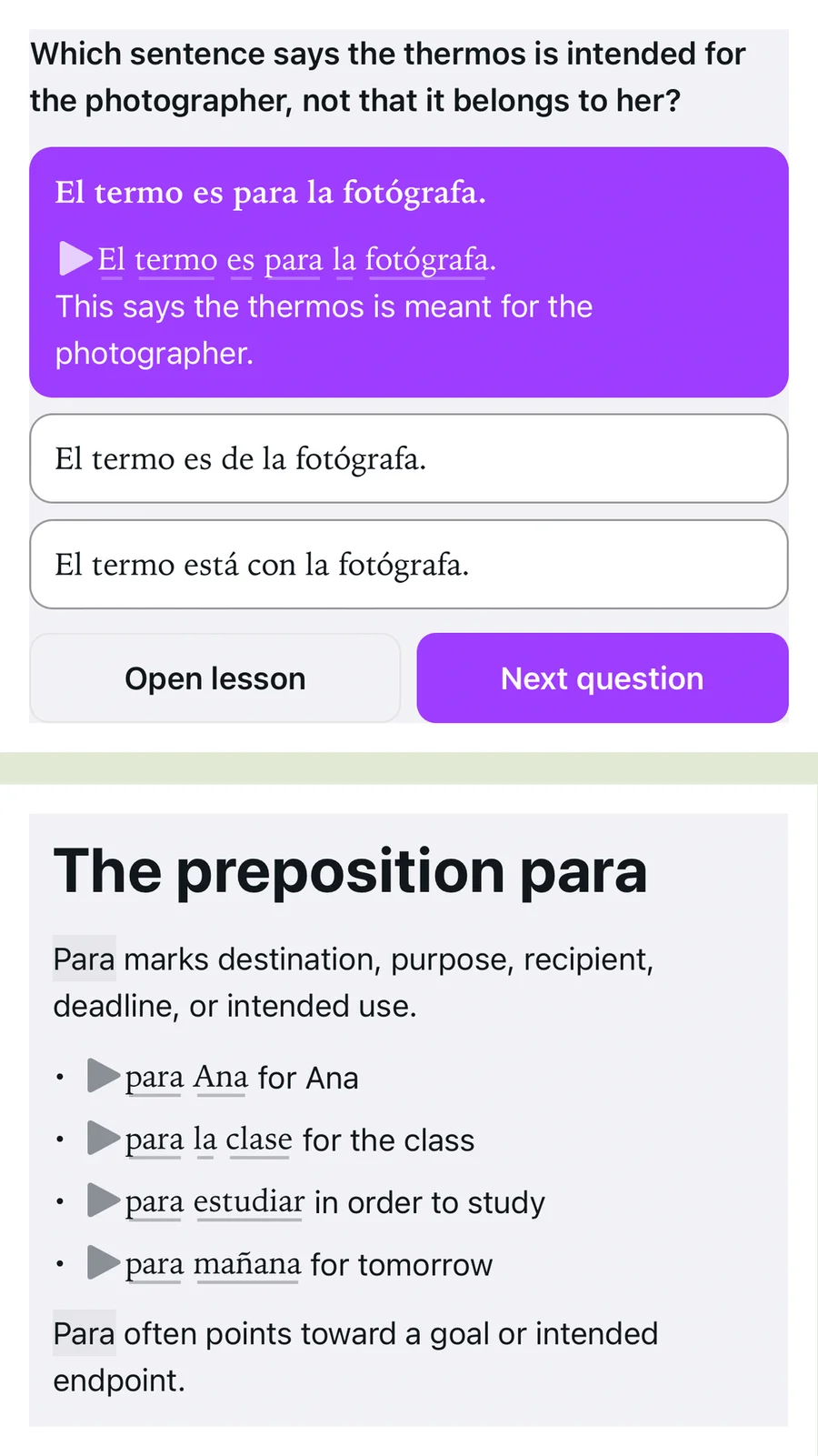
Practise grammar
Practise with quizzes that adapt to your level, then open a lesson for a fuller explanation.
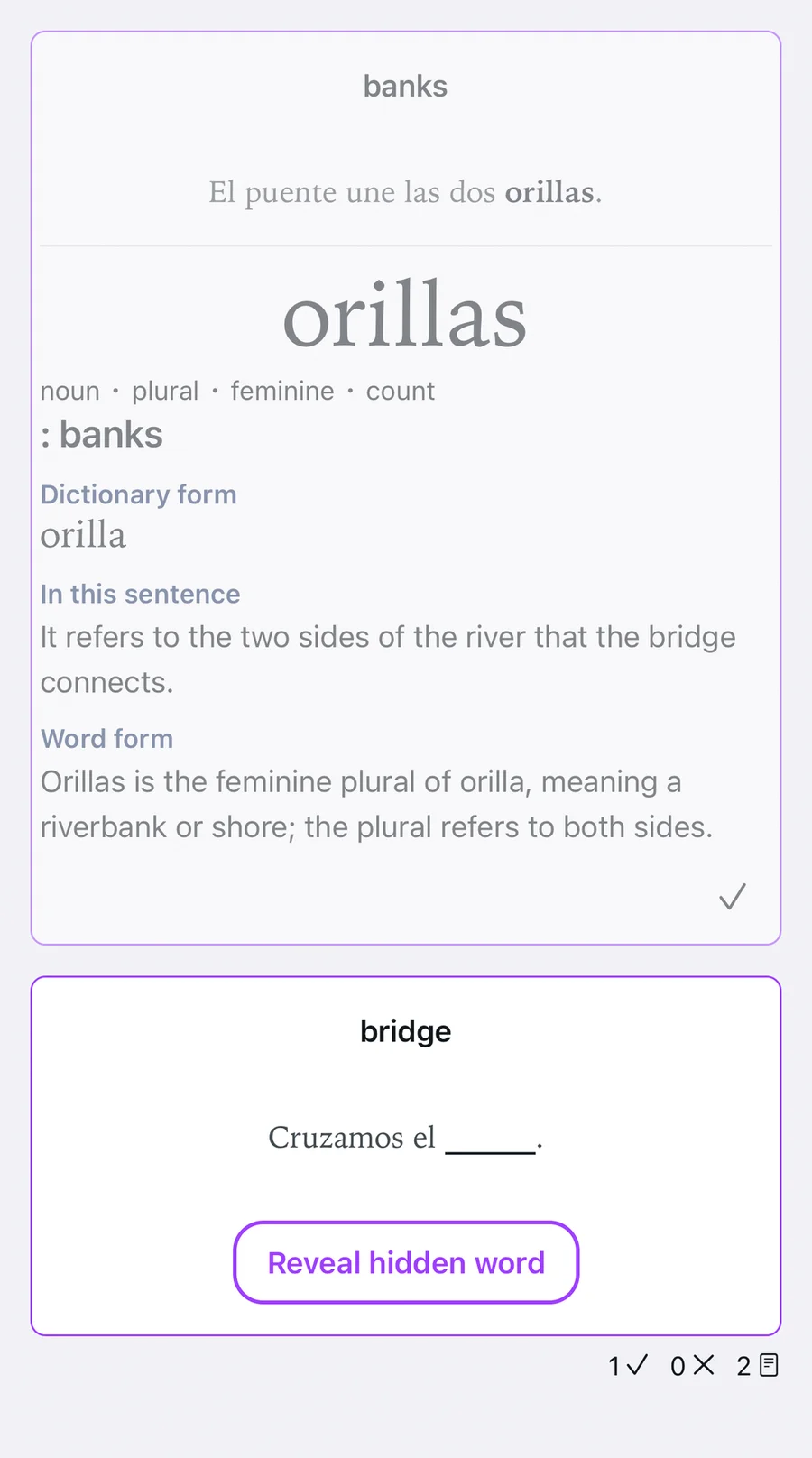
Remember new words
Save words as you read, then practise remembering them in sentences.